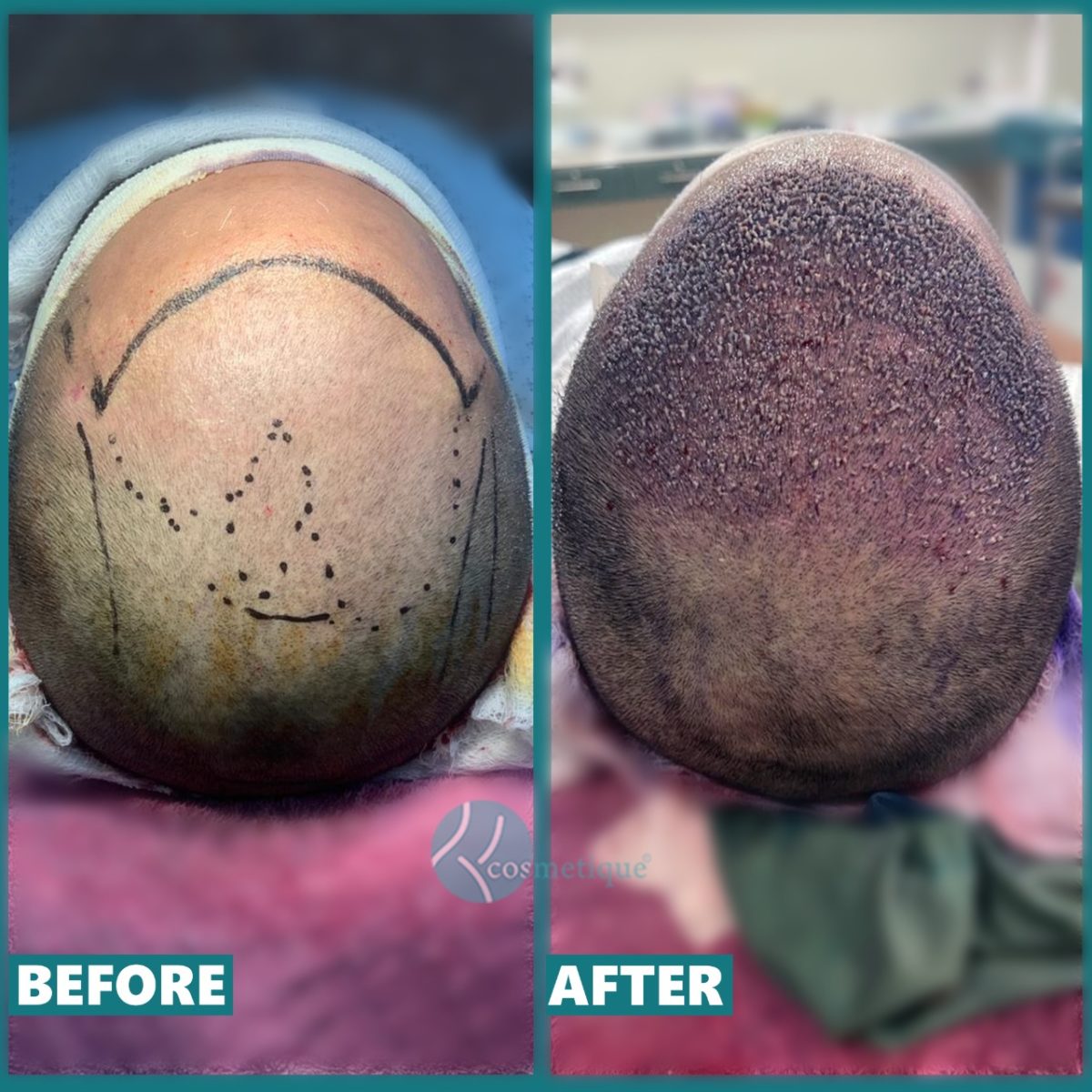
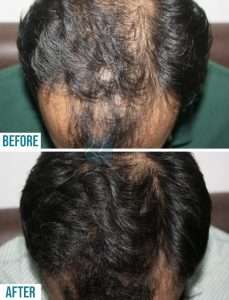
Hair loss is a common issue affecting both men and women, often impacting confidence, appearance and self-esteem. Thankfully, with advancements in medical science, hair restoration has become more effective and widely accessible. Choosing the best hair transplant today is not just about regaining hair it is about achieving natural looking results that last for years with minimal risks. This guide covers everything you need to know, from techniques and benefits to recovery and maintenance.
What You Need to Know About Hair Transplant Surgery
A hair transplant is a cosmetic procedure where healthy hair follicles are moved from a donor area (typically the back or sides of the scalp) to balding or thinning areas. These transplanted follicles continue to grow naturally, making it a permanent solution when performed correctly.
You Should Know:The Institute Cosmetique, hair transplant, focuses on precision, a natural looking hairline and long-term results rather than quick fixes or temporary solutions.
Who Can Benefit Most from the Best Hair Transplant?
Not everyone is an ideal candidate. Typically the best results are seen in:
- Individuals experiencing genetic hair loss (male or female pattern baldness)
- People with healthy and stable donor hair areas
- Patients with realistic expectations about results
- Individuals in good overall health
- Those who have tried non-surgical treatments without success
A professional consultation is crucial to determine suitability and develop a customized plan.
For more details also read this :https://www.cosmetique.com.pk/hair_transplant_for_men_women.php
Types of Hair Transplant Techniques
The choice of technique plays a significant role in achieving the best hair transplant results. Modern procedures are minimally invasive and produce natural outcomes.
Follicular Unit Extraction (FUE)
FUE involves removing individual hair follicles and transplanting them one by one.
Benefits of FUE:
- Minimal scarring
- Faster recovery
- Natural results
- Suitable for short hairstyles
Follicular Unit Transplantation (FUT)
FUT removes a strip of scalp from the donor area, from which follicles are extracted.
Benefits of FUT:
- Higher graft yield in one session
- Often more affordable
- Effective for extensive hair loss
Direct Hair Implantation (DHI)
DHI is an advanced variation of FUE, where follicles are implanted directly using a specialized tool.
Benefits of DHI:
- Better control over angle and depth
- Denser and more natural results
- Minimal handling of grafts
You Should Know:When matched with the patient’s needs, all these methods can deliver excellent results.
What Makes a Hair Transplant the Best Choice
Several factors define a high-quality hair transplant:
- Surgeon Expertise: Experience, precision, and artistic skill are critical.
- Natural Hairline Design: Hairlines should complement facial features for realistic results.
- Donor Area Management: Proper extraction ensures long-term health of donor hair.
- Graft Survival Rate: Higher survival ensures thicker, lasting hair growth.
- Aftercare and Follow-Up: Post-procedure guidance significantly affects outcomes.
How a Hair Transplant Procedure Works Step by Step
Understanding the process helps reduce anxiety and set realistic expectations.
- Consultation and Planning: Hair analysis, scalp evaluation, and hairline design.
- Donor Area Preparation: Hair trimming and application of local anesthesia.
- Graft Extraction: Using FUE, FUT, or DHI techniques.
- Recipient Area Preparation: Creating tiny channels for graft placement.
- Graft Implantation: Placing follicles at the correct angle and density.
- Recovery and Growth: Initial shedding occurs, followed by gradual new hair growth.
Recovery Timeline and Hair Growth
The best hair transplant requires patience; results are not immediate.
- First 7–10 days: Healing and scab formation
- 2–6 weeks: Temporary shedding (normal phase)
- 3–4 months: Initial hair growth begins
- 6–9 months: Hair density improves noticeably
- 12 months: Full results become visible
Following post-op care instructions is essential to maximize results.
Benefits of the Best Hair Transplant
- Permanent, natural-looking hair
- Enhanced confidence and self-image
- Low maintenance after recovery
- Safe, medically proven solution
- Customized outcomes for individual needs
Unlike temporary solutions, hair transplants offer a lasting improvement in appearance.
Risks and Side Effects
Though generally safe and potential risks include:
- Temporary swelling or redness
- Mild discomfort
- Rare infections
- Uneven growth if performed incorrectly
Selecting a reputable clinic with an experienced surgeon minimizes these risks.
Cost Factors for a Hair Transplant
The cost can vary based on:
- Number of grafts required
- Technique used
- Surgeon’s experience
- Location and clinic facilities
While affordability matters, safety and quality should always take priority.
Maintaining Results After a Hair Transplant
To ensure long-lasting results:
- Follow post-operative instructions carefully
- Avoid smoking and excessive alcohol
- Maintain a nutritious diet
- Use recommended hair care products
- Attend follow-up appointments
Healthy habits support both hair growth and overall scalp health.
Institute Cosmetique Hair Transplant vs Non-Surgical Treatments
Non-surgical options, such as medications or topical solutions, may slow hair loss but cannot replace lost follicles. A hair transplant remains the only permanent solution, relocating healthy follicles to balding areas for natural results.
The Future of Hair Transplant Technology
Hair restoration continues to evolve with innovations like robotic assistance, better graft preservation, and regenerative treatments. These advancements aim to make hair transplants more precise, natural, and accessible for everyone.
Visit our website:https://www.cosmetique.com.pk
Key Summary
The Institute Cosmetique,best hair transplant is a safe and permanent solution for hair loss when performed by a qualified professional. It restores natural hair or boosts confidence and provides long term results. Understanding the procedure and selecting the right technique and following proper aftercare are essential for success. With the right approach a hair transplant can transform both appearance and self esteem.
Must Read Frequently Asked Questions
1. What is the best hair transplant technique?
FUE and DHI are widely preferred for natural results and minimal scarring though the right technique depends on individual needs.
2. Is a hair transplant permanent?
Yes. Transplanted follicles continue to grow naturally and last a lifetime.
3. How long does it take to see final results?
Visible results usually appear between 9 to 12 months after the procedure.
4. Is a hair transplant painful?
The procedure is performed under local anesthesia so most patients experience only mild discomfort afterward.
5. Who should avoid a hair transplant?
People with insufficient donor hair or certain medical conditions may not be ideal candidates and should consult a professional.